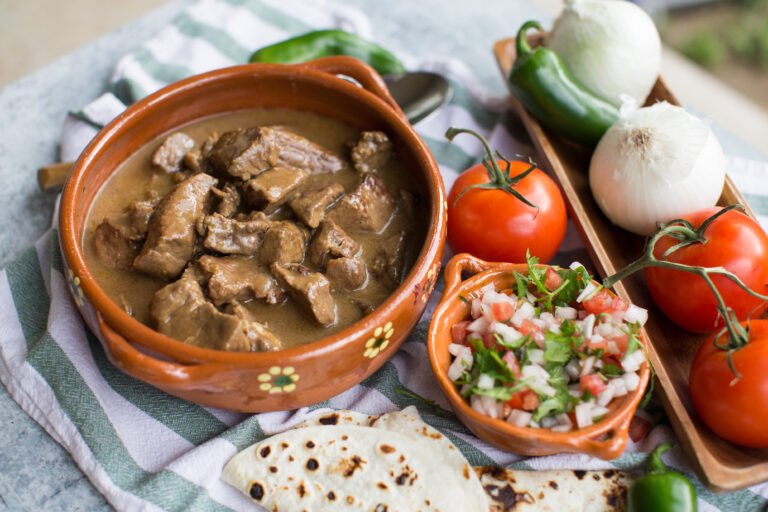
There is something deeply comforting about the aroma of Vegetable Biryani slowly cooking in the kitchen. The fragrance of basmati rice, warm spices, and tender vegetables creates a meal that feels festive and nourishing at the same time. It is a dish that turns simple ingredients into something layered, colorful, and memorable.
I began making Vegetable Biryani when I wanted a meatless dish that still felt hearty and special. The combination of fragrant rice and spiced vegetables quickly became a favorite in my home. Over time, I learned that careful layering and gentle cooking make all the difference.
What makes Vegetable Biryani so satisfying is its balance of textures and flavors. Each spoonful carries fluffy rice, soft vegetables, and hints of whole spices. It feels comforting yet vibrant, perfect for both weeknight dinners and special occasions.
Why You’ll Love This Recipe
Vegetable Biryani delivers bold flavor without overwhelming heat. The blend of spices creates warmth and depth, while fresh vegetables keep it balanced. Each bite feels aromatic and satisfying.
It may look complex, but the process is straightforward when broken into steps. Preparing the rice and vegetables separately ensures perfect texture. Once layered, the dish gently finishes cooking together.
Another reason to love this recipe is its flexibility. You can use seasonal vegetables and adjust spice levels to taste. It works beautifully as a main dish or part of a larger meal.
Serves: 2 people
This recipe makes two generous servings of Vegetable Biryani. It is perfect for a cozy dinner or for saving leftovers for the next day. The ingredients can easily be doubled for gatherings.
Ingredients You’ll Need
For the Rice
- 1 cup basmati rice
- 4 cups water (for boiling)
- 1/2 teaspoon salt
- 1 bay leaf
- 2 green cardamom pods
- 2 cloves
For the Vegetable Masala
- 2 tablespoons oil or ghee
- 1 small onion, thinly sliced
- 2 cloves garlic, minced
- 1 teaspoon grated fresh ginger
- 1/2 cup diced carrots
- 1/2 cup cauliflower florets
- 1/2 cup green beans, chopped
- 1/4 cup green peas
- 1/2 teaspoon turmeric powder
- 1 teaspoon garam masala
- 1/2 teaspoon ground cumin
- 1/2 teaspoon chili powder (optional)
- Salt to taste
- 1/4 cup plain yogurt
Optional Garnish
- Fresh cilantro, chopped
- Fresh mint leaves
- Fried onions
Pro Tips
Rinse the basmati rice thoroughly until the water runs clear. This removes excess starch and keeps the grains separate. Soaking the rice for 20–30 minutes improves texture.
Parboil the rice rather than cooking it fully. The rice should be about 70 percent cooked before layering. It will finish cooking during the final steaming step.
Use whole spices in the rice for authentic aroma. Bay leaf, cardamom, and cloves add depth without overpowering the dish. Remove them before serving if desired.
Cook vegetables until just tender, not mushy. They will continue cooking during layering. Maintaining texture keeps the dish balanced.
Layer rice and vegetable masala gently without pressing down. Fluffiness is key to good biryani. Gentle handling preserves separate grains.
Tools You’ll Need
- Large pot for boiling rice
- Colander
- Large skillet or pan
- Heavy-bottomed pot with lid
- Wooden spoon
- Measuring spoons and cups
- Cutting board and knife
Substitutions and Variations
You can substitute vegetables based on availability. Potatoes, bell peppers, or zucchini work well. Choose vegetables that hold their shape during cooking.
If yogurt is unavailable, use coconut milk for a dairy-free option. This adds subtle richness. Adjust seasoning to balance sweetness.
Brown basmati rice can be used for added fiber. It requires longer cooking time. Parboil carefully to avoid undercooking.
Add paneer cubes for extra protein. Lightly sauté them before adding to the masala. This creates a heartier dish.
For a milder version, reduce chili powder. You can also add a splash of lemon juice at the end for brightness. Small adjustments personalize the flavor.
Make Ahead Tips
Vegetable Biryani can be partially prepared ahead of time to make cooking easier. You can rinse and soak the basmati rice up to 30 minutes in advance. Drain it just before boiling.
The vegetable masala can also be prepared earlier in the day. Cook the vegetables with spices and store the mixture in the refrigerator for up to 24 hours. Reheat gently before layering with rice.
You may also parboil the rice ahead of time and let it cool completely. Spread it on a tray to prevent clumping. Keep it covered in the refrigerator until ready to assemble.
If preparing for guests, assemble the layered biryani in the pot and refrigerate before the final steaming step. When ready to serve, place it on low heat and finish cooking. Planning ahead keeps the process smooth and stress-free.
Instructions
Step 1: Soak the Rice
Rinse the basmati rice thoroughly under cold water until the water runs clear. Soak it in fresh water for 20–30 minutes. Drain before cooking.
Step 2: Parboil the Rice
Bring 4 cups of water to a boil in a large pot. Add salt, bay leaf, cardamom pods, and cloves. Add the soaked rice and cook until about 70 percent done.
Step 3: Drain the Rice
Drain the partially cooked rice in a colander. Remove whole spices if desired. Set aside gently without stirring too much.
Step 4: Heat Oil or Ghee
In a large skillet, heat oil or ghee over medium heat. Add sliced onions and sauté until lightly golden. Stir occasionally to prevent burning.
Step 5: Add Aromatics
Add minced garlic and grated ginger to the onions. Cook for about 30 seconds until fragrant. Keep stirring gently.
Step 6: Add Vegetables
Stir in diced carrots, cauliflower, green beans, and peas. Cook for 5–7 minutes until slightly tender. Avoid overcooking at this stage.
Step 7: Add Spices
Sprinkle turmeric, garam masala, cumin, chili powder, and salt over the vegetables. Stir well to coat evenly. Let the spices cook briefly to release aroma.
Step 8: Add Yogurt
Lower the heat and stir in the yogurt. Mix gently until combined. Cook for 2–3 minutes until the masala thickens slightly.
Step 9: Begin Layering
In a heavy-bottomed pot, spread a layer of vegetable masala at the bottom. Add a layer of parboiled rice over it. Continue alternating layers until finished.
Step 10: Final Steaming
Cover the pot tightly with a lid. Cook on very low heat for 15–20 minutes. This allows the rice to finish cooking and absorb flavors.
Step 11: Rest Before Serving
Turn off the heat and let the biryani rest for 5 minutes. Resting allows flavors to settle. Do not stir immediately.
Step 12: Fluff and Garnish
Gently fluff the rice with a fork. Garnish with fresh cilantro, mint, or fried onions if desired. Serve warm.
Serving Suggestions
Serve Vegetable Biryani with plain yogurt or raita. The cool yogurt balances the warm spices. It enhances the overall experience.
Pair it with a simple cucumber and tomato salad. Fresh vegetables provide contrast. This keeps the meal balanced.
For a festive meal, serve alongside naan or flatbread. The bread complements the spiced rice. Keep portions moderate for comfort.
Add lemon wedges on the side for brightness. A small squeeze lifts the flavors. Simple additions make a difference.
You can also serve it as part of a larger spread with lentils or curry. The biryani becomes a centerpiece. It works beautifully for gatherings or family dinners.
Leftovers and Storage
Vegetable Biryani stores very well, making it a practical choice for meal prep. Allow the biryani to cool completely before transferring it to an airtight container. Store it in the refrigerator for up to four days.
When reheating, sprinkle a tablespoon of water over the rice to restore moisture. Warm it in a covered skillet over low heat or microwave in short intervals. Gentle reheating prevents the rice from drying out.
For best texture, avoid stirring too aggressively while reheating. Fluff gently with a fork once warmed. This helps maintain separate grains.
You can also freeze Vegetable Biryani in portioned containers for up to two months. Thaw overnight in the refrigerator before reheating. Proper storage preserves both flavor and texture.
Nutrition and Benefits
Vegetable Biryani provides a balanced combination of carbohydrates and fiber. Basmati rice delivers steady energy. The variety of vegetables adds important vitamins and minerals.
Carrots and peas contribute antioxidants and natural sweetness. Cauliflower and green beans add fiber and texture. Including colorful vegetables improves nutritional value.
Cooking with moderate amounts of oil or ghee keeps the dish flavorful yet balanced. Using yogurt adds a small amount of protein and creaminess. You can adjust fat levels according to preference.
Making biryani at home allows you to control sodium and spice levels. Fresh ingredients enhance both flavor and quality. Thoughtful preparation makes it a nourishing choice.
When paired with yogurt or a fresh salad, the meal becomes more balanced. Portion control helps keep it satisfying without feeling heavy. It fits comfortably into a varied diet.
Recipe FAQ
Why is my rice sticky?
Sticky rice often results from overcooking or not rinsing properly. Rinse thoroughly and parboil only until 70 percent cooked. Using aged basmati rice also helps.
Can I make this recipe vegan?
Yes, simply replace yogurt with coconut milk or a plant-based yogurt. The flavor will change slightly but remain delicious. Adjust seasoning to balance sweetness.
How do I prevent the rice from breaking?
Handle the rice gently during draining and layering. Avoid stirring too much after cooking. Fluff lightly with a fork.
Can I use brown rice?
Yes, but brown rice requires longer cooking time. Parboil carefully and extend the final steaming step. The texture will be slightly firmer.
What vegetables work best?
Firm vegetables like carrots, beans, cauliflower, and peas work well. Avoid overly watery vegetables. Choose fresh produce for best texture.
How spicy is this biryani?
The spice level is moderate. You can reduce chili powder for a milder version. Adjust spices gradually to taste.
Can I add protein?
Yes, paneer or chickpeas make excellent additions. Add them to the vegetable masala before layering. This increases protein content.
A Fragrant Dish Worth Making Again
Vegetable Biryani is a simple way to bring warmth, color, and rich aroma to your table. The layered rice, tender vegetables, and gentle spices create a meal that feels both comforting and festive. Whether served for a quiet dinner or shared with guests, it fits naturally into meaningful moments.
With flexible ingredients and careful layering, this recipe becomes easier each time you prepare it. Once you master the balance of fluffy rice and flavorful masala, Vegetable Biryani becomes a dependable favorite you can return to whenever you want something nourishing, aromatic, and deeply satisfying.