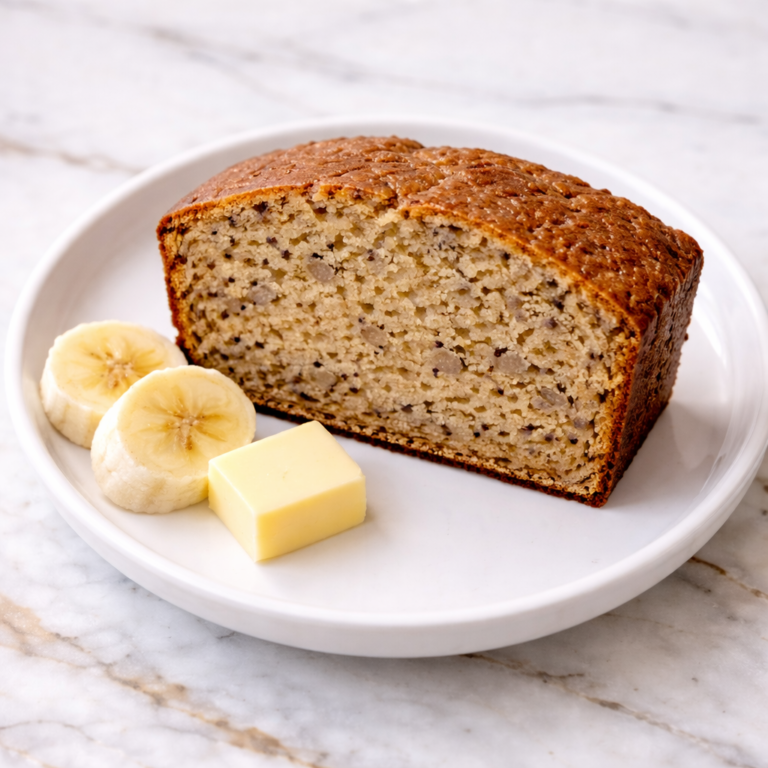
I make this classic bread pudding with vanilla sauce when I want something warm and simple that still feels special. It’s a good way to use up leftover bread while turning it into a soft, comforting dessert. The smell of vanilla and baked custard fills the kitchen in a calm, familiar way.
I often prepare it on slower days when there’s time to let it bake gently and cool just enough to serve. It’s the kind of dish that doesn’t need much attention but still brings everyone to the table. The soft texture and light sweetness make it easy to enjoy for both kids and adults.
Why You’ll Love This Recipe
This classic bread pudding with vanilla sauce has a soft, custard-like texture with lightly golden edges that add just a bit of contrast. The vanilla sauce brings a smooth, warm sweetness that soaks into the bread and makes each bite feel rich but not too heavy. It’s a balanced dessert that feels comforting without being overwhelming.
It’s also very practical to make, especially if you have day-old bread on hand. The ingredients are simple, and the steps are easy to follow, even for beginners. You don’t need special tools or techniques to get a good result.
Families appreciate how flexible this recipe is for different occasions. It works as a cozy dessert, a weekend treat, or even a sweet breakfast option. You can serve it warm or at room temperature, depending on what works best for your day.
Serves: 8 people
This recipe makes enough bread pudding to serve about eight people, depending on portion size. It’s easy to adjust by using a larger dish or doubling the ingredients. The portions are flexible, which makes it useful for both small meals and larger gatherings.
Ingredients You’ll Need
For the Bread Pudding
- 6 cups day-old bread, cut into cubes
- 2 cups milk
- ½ cup heavy cream
- ¾ cup granulated sugar
- 3 large eggs
- 2 teaspoons vanilla extract
- 1 teaspoon ground cinnamon
- ¼ teaspoon salt
For the Vanilla Sauce
- 1 cup milk
- ¼ cup granulated sugar
- 1 tablespoon cornstarch
- 1 tablespoon unsalted butter
- 1 teaspoon vanilla extract
Optional Add-Ins
- ½ cup raisins
- ¼ cup chopped nuts
Pro Tips
- Use slightly stale bread for the best texture, as it absorbs the custard without becoming too soft. Fresh bread can work, but it may need a little time to dry out.
- Cut the bread into evenly sized cubes so it soaks up the liquid consistently. This helps the pudding bake evenly from edge to center.
- Let the bread sit in the custard mixture for a few minutes before baking. This step allows the liquid to fully soak in and improves the final texture.
- Avoid overbaking, as this can dry out the pudding. The center should be set but still soft when tested.
- Stir the vanilla sauce gently while cooking to keep it smooth and prevent lumps. A steady, low heat works best for this step.
- Serve the pudding warm so the sauce melts slightly into each bite, creating a soft and rich finish.
Tools You’ll Need
- Mixing bowls
- Whisk
- Measuring cups and spoons
- 9×13-inch baking dish
- Saucepan
- Spatula or wooden spoon
- Knife and cutting board
Substitutions and Variations
Use Different Bread Types
Try brioche, challah, or French bread for a richer flavor. Each option gives the pudding a slightly different texture and taste.
Make It Dairy-Free
Use plant-based milk and cream alternatives. This keeps the pudding creamy while making it suitable for more diets.
Add Warm Spices
Mix in nutmeg or a pinch of allspice with the cinnamon. This adds depth without changing the overall feel of the dish.
Include Fruit
Add raisins, dried cranberries, or chopped apples. These bring a bit of natural sweetness and texture to each bite.
Make It Lighter
Reduce the sugar slightly or use a lower-fat milk. This keeps the dessert softer and less rich while still enjoyable.
Make Ahead Tips
This classic bread pudding with vanilla sauce is easy to prepare ahead, which makes it helpful when planning meals or gatherings. You can assemble the bread pudding a few hours in advance and keep it covered in the refrigerator until you are ready to bake. This resting time also helps the bread soak up the custard more fully, improving the final texture.
If you prefer to bake it ahead, the pudding can be made a day in advance and stored once cooled. Cover it tightly and keep it in the refrigerator to maintain freshness. When ready to serve, reheat gently so it warms through without drying out.
The vanilla sauce can also be prepared ahead and stored separately in an airtight container in the refrigerator. Warm it slowly on the stove or in the microwave before serving, stirring occasionally to bring back its smooth consistency. Keeping the sauce separate helps maintain the best texture for both parts of the dish.
Instructions
Step 1: Preheat the Oven
Preheat your oven to 350°F and lightly grease a 9×13-inch baking dish. This helps prevent sticking and ensures the pudding lifts easily when serving. Set the dish aside while you prepare the mixture.
Step 2: Prepare the Bread
Cut the day-old bread into evenly sized cubes if not already done. Place the cubes into a large mixing bowl, making sure they are dry enough to absorb the custard. This step sets the base for a well-textured pudding.
Step 3: Mix the Custard
In another bowl, whisk together the milk, heavy cream, granulated sugar, eggs, vanilla extract, cinnamon, and salt. Mix until smooth and fully combined. The custard should have an even color and a light, creamy consistency.
Step 4: Combine Bread and Custard
Pour the custard mixture over the bread cubes, gently folding to coat each piece. Let the mixture sit for about 10 minutes so the bread can absorb the liquid. This helps create a soft and uniform texture throughout the pudding.
Step 5: Add Optional Ingredients
If using raisins or chopped nuts, fold them into the mixture at this stage. Distribute them evenly so each portion has a bit of added texture. Keep the additions balanced so they don’t overwhelm the base.
Step 6: Transfer to Baking Dish
Pour the soaked bread mixture into the prepared baking dish and spread it out evenly. Press down lightly to ensure the top is level. This helps the pudding bake evenly from edge to center.
Step 7: Bake the Pudding
Place the dish in the preheated oven and bake for 40 to 45 minutes. The top should be lightly golden, and the center should be set but still soft. A knife inserted in the center should come out mostly clean.
Step 8: Prepare the Vanilla Sauce
While the pudding bakes, combine the milk, sugar, and cornstarch in a saucepan over medium heat. Stir constantly until the mixture thickens and becomes smooth. This creates a light, creamy base for the sauce.
Step 9: Finish the Sauce
Remove the saucepan from heat and stir in the butter and vanilla extract until fully melted and combined. The sauce should be smooth and slightly thick. Set it aside, keeping it warm for serving.
Step 10: Cool and Serve
Let the bread pudding cool for about 10 to 15 minutes after baking. This helps it set slightly and makes it easier to serve. Spoon warm portions onto plates and drizzle with the vanilla sauce.
Serving Suggestions
Serve this classic bread pudding warm with a generous drizzle of vanilla sauce over the top. The sauce soaks into the soft layers and adds a smooth, comforting finish that makes each bite feel complete.
It pairs well with a simple cup of coffee or tea, making it a calm and satisfying dessert after a meal. The flavors are gentle enough that they don’t overpower other dishes, which keeps the experience balanced.
For a slightly fresher contrast, serve it alongside sliced fruit such as apples or berries. The natural brightness of the fruit balances the richness of the pudding and adds a light touch to the plate.
If you’re hosting a gathering, you can place the pudding in the center of the table and let everyone serve themselves. This makes it feel relaxed and inviting without needing extra presentation.
You can also add a light dusting of powdered sugar just before serving for a simple finishing touch. It enhances the look without changing the overall flavor.
Leftovers and Storage
Allow the bread pudding to cool completely before storing any leftovers. Place it in an airtight container or cover the baking dish tightly with plastic wrap or foil. It can be kept in the refrigerator for up to four days while maintaining its flavor.
Store the vanilla sauce separately in a sealed container to preserve its smooth texture. This helps prevent the pudding from becoming too soft during storage. Reheat the sauce gently before serving to restore its consistency.
To reheat the pudding, place it in a low-temperature oven until warmed through. This helps maintain its soft texture without drying it out. You can also cover it loosely with foil to keep moisture in while reheating.
Freezing is another option for longer storage. Wrap individual portions or the whole dish tightly and store in a freezer-safe container for up to two months. Thaw overnight in the refrigerator before reheating.
Avoid repeated reheating, as this can affect both texture and flavor. Warming only what you plan to serve will help keep the remaining portions fresh.
Nutrition and Benefits
- This bread pudding provides a balance of carbohydrates, fats, and protein, making it a satisfying dessert or occasional breakfast option. It offers steady energy when enjoyed in moderate portions.
- Using simple, familiar ingredients allows you to control the quality and adjust sweetness to suit your preferences. This makes it easier to fit into a family routine.
- The addition of milk and eggs contributes to a soft, custard-like texture while also providing some nutritional value. These ingredients help create a filling dish.
- Cinnamon adds warmth and flavor without needing extra sugar, helping keep the recipe balanced. It enhances the overall taste in a simple way.
- Making this dish at home helps reduce food waste by using leftover bread. This makes it both practical and resourceful.
Recipe FAQ
Can I use fresh bread instead of day-old bread?
Yes, but fresh bread may be softer and absorb the custard differently. You can let it sit out for a few hours or lightly toast it to dry it out. This helps improve the final texture.
Why is my bread pudding too soggy?
This can happen if there is too much liquid or if it was underbaked. Make sure to measure ingredients carefully and bake until the center is set. Letting it rest before serving also helps it firm up.
Can I make the vanilla sauce thicker?
Yes, you can add a little more cornstarch if you prefer a thicker sauce. Mix it with a small amount of milk before adding it to avoid lumps. Stir continuously while cooking for the best result.
How do I know when the pudding is done?
The top should be lightly golden, and the center should feel set but still soft. A knife inserted into the middle should come out mostly clean. Avoid overbaking to keep the texture moist.
Can I add other flavors to this recipe?
Yes, you can add spices like nutmeg or use flavored extracts. Small changes can give the dish a slightly different taste without changing the overall recipe. Keep additions balanced for best results.
Is it okay to serve this cold?
It can be served cold, but it is best enjoyed warm for the softest texture. Reheating helps bring out the flavors and improves the overall experience. The sauce also works better when warm.
Can I freeze the vanilla sauce?
Yes, but the texture may change slightly when thawed. Stirring and reheating gently can help bring it back together. It is often best to make the sauce fresh if possible.
A Comforting Classic to Make Again
This classic bread pudding with vanilla sauce is a simple way to turn everyday ingredients into something warm and satisfying. The soft texture and gentle sweetness make it easy to enjoy without feeling too heavy. It’s a recipe that brings a steady sense of comfort to the table.
With its flexible preparation and dependable results, it fits well into both quiet evenings and shared meals. Whether you serve it fresh from the oven or reheat it later, it remains a reliable dessert that’s worth making again.