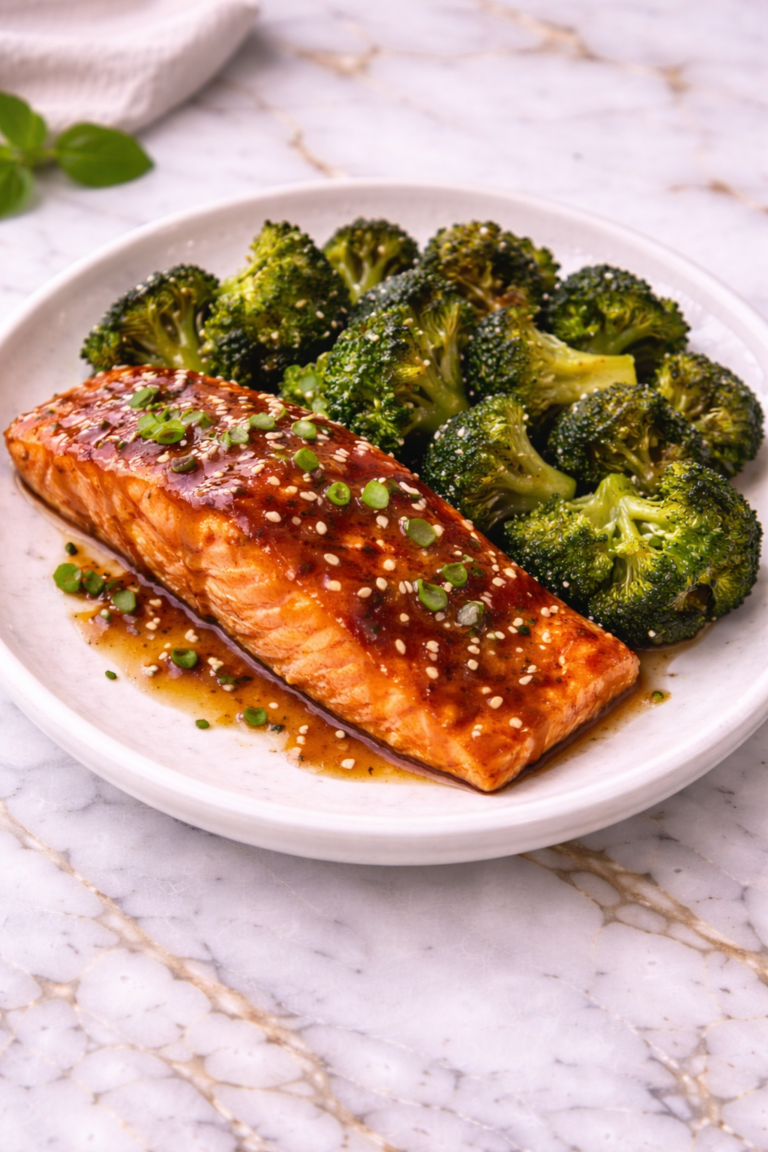
I reach for this on weeknights when I want dinner to feel rich and satisfying without a lot of time or cleanup involved.
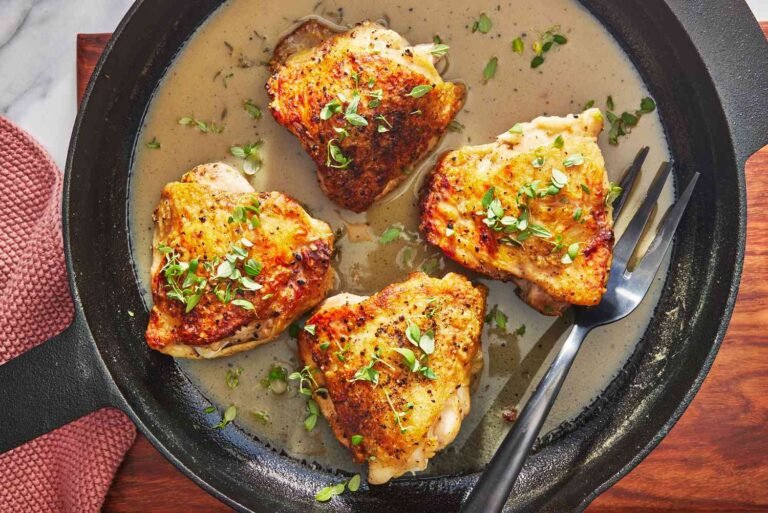
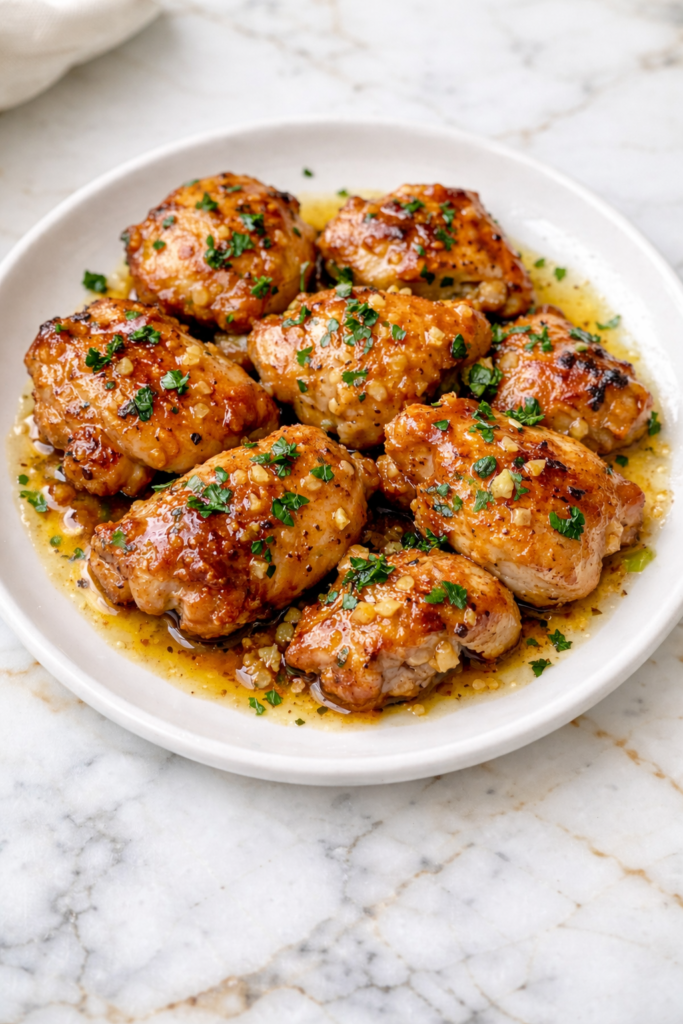
Garlic butter does most of the work here — it builds a sauce that is simple but deeply flavorful and gives the chicken a golden, pan-seared finish that looks and tastes impressive.
Everything happens in one skillet, which is exactly what I want on a busy evening. I’ll show you how to get the sear right and finish the sauce so every piece of chicken is coated and juicy. It’s a reliable weeknight dinner that earns compliments every single time.

Why You’ll Love This Recipe
Garlic Butter Chicken Skillet delivers big flavor with very little effort, making it perfect for both beginner cooks and experienced home chefs. The garlic butter sauce is rich and savory without being overwhelming, and it pairs beautifully with the juicy, pan-seared chicken. Everything cooks in one skillet, which means less cleanup and more time to enjoy your meal with family.
This recipe is also incredibly versatile and easy to adapt based on what you have on hand. You can serve it with rice, pasta, or vegetables, and it still tastes just as comforting and complete. Garlic Butter Chicken Skillet is one of those dependable meals that works for busy weeknights, casual dinners, or even when you want to serve something a little more special without extra effort.
Serves: 4 people
This recipe comfortably serves four people with generous portions, making it ideal for a family dinner. If you’re cooking for a larger group, it can easily be doubled without changing the cooking process. Leftovers also store well, so it’s a great option if you like having ready-to-go meals for the next day.
Ingredients You’ll Need
For the chicken:
- 4 boneless, skinless chicken breasts (about 1.5 pounds total)
- 1 teaspoon salt
- ½ teaspoon black pepper
- 1 teaspoon paprika
- 1 teaspoon Italian seasoning
- 2 tablespoons olive oil
For the garlic butter sauce:
- 4 tablespoons unsalted butter
- 5 cloves garlic, minced
- ½ cup chicken broth
- 1 tablespoon lemon juice
- 1 teaspoon dried thyme (or 1 tablespoon fresh thyme)
- 2 tablespoons chopped fresh parsley
Optional for serving:
- Steamed rice, mashed potatoes, or pasta
- Steamed green beans or broccoli
- Extra lemon wedges
Pro Tips
For the best flavor, allow the chicken to rest at room temperature for about 10–15 minutes before cooking. This helps it cook more evenly and prevents it from becoming tough or dry in the skillet.
Use a heavy-bottomed skillet, such as cast iron or stainless steel, to get a nice golden sear on the chicken. A good sear locks in flavor and creates a delicious base for the garlic butter sauce.
Avoid overcrowding the pan, as this can cause the chicken to steam instead of sear. If needed, cook the chicken in batches to ensure each piece gets that beautiful golden crust.
When cooking garlic, keep the heat at medium or lower to prevent burning. Burnt garlic can taste bitter and overpower the entire dish, so take your time during this step.
Use fresh parsley and lemon juice whenever possible for the brightest flavor. These simple additions balance the richness of the butter and bring freshness to the dish.
Let the chicken rest for a few minutes after cooking before serving. This helps retain its juices and keeps each bite tender and flavorful.
Tools You’ll Need
- Large skillet (cast iron or stainless steel preferred)
- Tongs or spatula
- Cutting board
- Sharp knife
- Measuring spoons and cups
- Small bowl (for seasoning)
- Wooden spoon or silicone spatula
Substitutions and Variations
If you prefer chicken thighs, they work wonderfully in this recipe and often provide even more flavor and juiciness. Boneless, skinless thighs are the easiest swap and require minimal adjustment to cooking time.
For a lighter version, you can reduce the butter slightly and add a bit more chicken broth. This keeps the sauce flavorful while lowering the richness just enough for everyday meals.
If you need a dairy-free option, substitute the butter with a plant-based alternative or use additional olive oil. The flavor will still be delicious, though slightly different in richness.
You can also add vegetables directly to the skillet, such as spinach, mushrooms, or cherry tomatoes. This turns the dish into a complete one-pan meal and adds extra color and nutrition.
For a bit of heat, sprinkle in red pepper flakes or add a dash of hot sauce to the garlic butter sauce. This small change gives the dish a gentle kick without overpowering the classic flavors.
Make Ahead Tips
Garlic Butter Chicken Skillet is a great option for planning ahead, especially when you want to make weeknight dinners feel easier and less rushed. You can season the chicken up to 24 hours in advance and store it covered in the refrigerator, which allows the flavors to soak in more deeply. This simple step helps build even more flavor before cooking begins.
You can also prepare the garlic and chop the parsley ahead of time, storing them in airtight containers in the fridge. If you want to go a step further, the entire dish can be cooked and refrigerated for up to two days, then gently reheated on the stove. Keeping the sauce separate until reheating can help maintain the best texture and flavor.
Instructions
Step 1: Prepare the Chicken
Pat the chicken breasts dry with paper towels and place them on a cutting board. Season both sides evenly with salt, black pepper, paprika, and Italian seasoning, making sure the spices are well distributed. Let the chicken sit for about 10 minutes to allow the seasoning to settle.
Step 2: Sear the Chicken
Heat olive oil in a large skillet over medium-high heat until it shimmers. Add the chicken breasts in a single layer and cook for about 5–6 minutes on each side, or until golden brown and cooked through. Remove the chicken from the skillet and set it aside on a plate.
Step 3: Make the Garlic Butter Sauce
Reduce the heat to medium and add the butter to the same skillet, allowing it to melt completely. Stir in the minced garlic and cook for about 1 minute until fragrant, being careful not to let it burn. Pour in the chicken broth and use a wooden spoon to scrape up any browned bits from the bottom of the pan.
Step 4: Add Flavor and Simmer
Stir in the lemon juice and thyme, then let the sauce simmer gently for 2–3 minutes until slightly reduced. This step helps concentrate the flavors and creates a smooth, rich sauce. The aroma at this stage should be warm, garlicky, and inviting.
Step 5: Return Chicken to the Skillet
Place the cooked chicken back into the skillet, spooning the sauce over the top. Let it simmer for another 3–5 minutes so the chicken can absorb the flavors of the sauce. This final step ensures every bite is juicy and well coated.
Step 6: Garnish and Serve
Sprinkle freshly chopped parsley over the chicken just before serving. Add an extra squeeze of lemon juice if desired for brightness. Serve warm with your favorite sides and enjoy the rich, comforting flavors.
Serving Suggestions
Garlic Butter Chicken Skillet pairs beautifully with a wide range of sides, making it easy to customize for your family’s preferences. Serving it over fluffy white rice or creamy mashed potatoes allows the garlic butter sauce to soak in, creating a comforting and satisfying meal.
For a lighter option, try serving it alongside steamed vegetables like broccoli or green beans. It also works well with pasta or even crusty bread, which is perfect for soaking up every bit of the flavorful sauce.
If you’re serving guests, consider adding a simple side salad with a light vinaigrette. The freshness balances the richness of the dish and rounds out the meal nicely.
Leftovers and Storage
Leftovers of Garlic Butter Chicken Skillet store very well, making it a practical choice for meal prep or next-day lunches. Allow the chicken to cool completely before transferring it to an airtight container, then store it in the refrigerator for up to three days. Keeping the chicken and sauce together helps maintain moisture and flavor.
When reheating, place the chicken and sauce in a skillet over low to medium heat, adding a splash of chicken broth if needed to loosen the sauce. You can also reheat it in the microwave in short intervals, though the stovetop method helps preserve the best texture. If you plan to freeze it, store it in a freezer-safe container for up to two months and thaw overnight in the refrigerator before reheating.
Nutrition and Benefits
- Chicken breast is a lean source of protein that supports muscle growth and helps keep you feeling full and satisfied. It’s a great option for balanced, family-friendly meals.
- Garlic contains natural compounds that may support immune health and add depth of flavor without extra calories. It’s a simple way to boost both taste and nutrition.
- Using a skillet method requires less oil compared to deep frying, helping keep the dish lighter while still achieving rich flavor. This makes it a practical choice for everyday cooking.
- Fresh herbs like parsley provide vitamins and antioxidants while adding brightness to the dish. They also enhance presentation and freshness.
- The recipe can easily be paired with vegetables or whole grains, making it adaptable for a well-rounded, nourishing meal.
Recipe FAQ
Can I use chicken thighs instead of chicken breasts?
Yes, chicken thighs are a great alternative and often result in even juicier meat. Boneless, skinless thighs work best and require only slight adjustments to cooking time. Just ensure they reach a safe internal temperature before serving.
How do I know when the chicken is fully cooked?
The safest way is to use a meat thermometer and check that the internal temperature reaches 165°F. Visually, the juices should run clear and the center should no longer be pink. Proper cooking ensures both safety and the best texture.
Can I make this recipe dairy-free?
Yes, you can substitute the butter with a plant-based alternative or use olive oil instead. While the flavor will be slightly different, it will still be rich and satisfying. Adjust seasoning as needed to maintain balance.
What can I use instead of chicken broth?
If you don’t have chicken broth, you can use vegetable broth or even water with a pinch of extra seasoning. Broth adds more depth of flavor, but the dish will still turn out well with simple substitutions.
Can I add vegetables to this dish?
Absolutely, adding vegetables like spinach, mushrooms, or zucchini works very well. You can cook them in the same skillet after removing the chicken, then proceed with the sauce. This turns the recipe into a complete one-pan meal.
Why did my garlic taste bitter?
Garlic can become bitter if it’s cooked over too high heat or for too long. To avoid this, cook it on medium or lower heat and watch it closely. It only needs about a minute to become fragrant.
Can I double this recipe?
Yes, this recipe doubles easily if you’re cooking for a larger group. Just make sure not to overcrowd the skillet, and cook the chicken in batches if necessary. This helps maintain a proper sear and even cooking.
Conclusion
Garlic Butter Chicken Skillet is a recipe that brings comfort and ease together in one simple pan. It’s reliable, full of flavor, and fits seamlessly into both busy weeknights and relaxed family dinners.
With its family-friendly appeal and consistent results, this dish is one you’ll want to keep in regular rotation. It offers a warm, satisfying meal that you can count on to turn out well every time you make it.