I started making this on weeknights when I wanted a dinner that felt light and a little elegant without requiring much time or effort.
Salmon bakes quickly and stays moist when you handle it right, and lemon and fresh herbs are really all it needs to taste bright and full of flavor.
I’ve worked out the temperature and timing so the fillet comes out perfectly cooked every single time without any guesswork.
I’ll show you how to season it, how long to bake it, and how to know when it’s done. It’s a clean, satisfying dinner that comes together in under thirty minutes and never feels like a compromise.
Why You’ll Love This Recipe
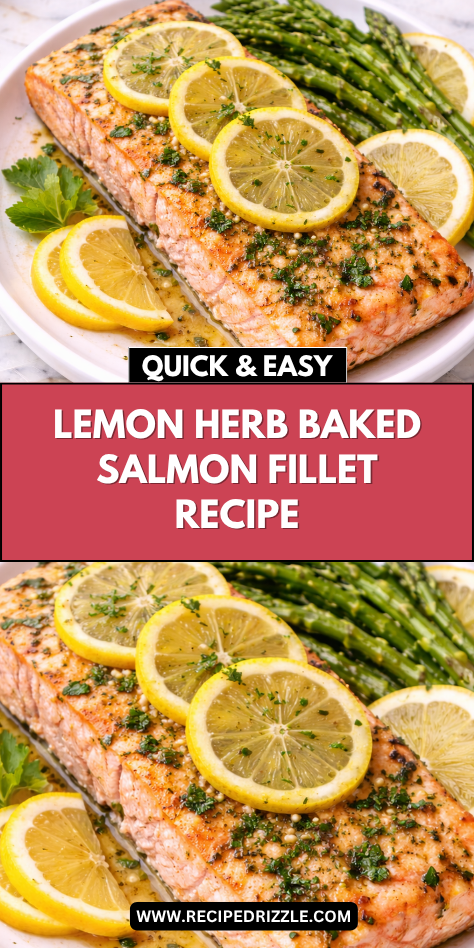
Lemon Herb Baked Salmon Fillet is a perfect balance of simplicity and flavor, making it ideal for both beginner cooks and experienced home chefs. The lemon adds a fresh, zesty brightness that enhances the natural richness of the salmon, while the herbs bring a subtle depth that makes the dish feel complete. The oven does most of the work, allowing the salmon to cook evenly and remain tender.
This recipe is also incredibly practical and versatile. It uses a handful of wholesome ingredients and requires minimal prep, making it perfect for busy weeknights or relaxed dinners. Whether you serve it with vegetables, rice, or a light salad, it’s a reliable dish that fits easily into any meal plan.
Serves: 4 people
This recipe serves four people comfortably, with each portion offering a satisfying balance of protein and flavor. It can easily be adjusted for larger or smaller groups by scaling the ingredients. Leftovers also hold up well, making it a convenient option for meal prep.
Ingredients You’ll Need
For the salmon:
- 4 salmon fillets (about 6 ounces each)
- 1 tablespoon olive oil
- 1 teaspoon salt
- ½ teaspoon black pepper
For the lemon herb mixture:
- 2 tablespoons fresh lemon juice
- 1 teaspoon lemon zest
- 3 cloves garlic, minced
- 1 teaspoon dried oregano
- 1 teaspoon dried thyme
- 1 tablespoon chopped fresh parsley
Optional for garnish:
- Lemon slices
- Additional fresh parsley
Pro Tips
Choose salmon fillets that are similar in size and thickness to ensure even cooking. This helps prevent some pieces from overcooking while others remain underdone.
Pat the salmon dry before seasoning to help the oil and herbs adhere better. This also promotes a better texture during baking.
Do not overbake the salmon, as it can dry out quickly. The fish should flake easily with a fork and still appear moist in the center.
Use fresh lemon juice and zest for the best flavor. Fresh ingredients make a noticeable difference in the brightness of the dish.
Line your baking sheet with parchment paper or foil for easy cleanup. This also prevents the salmon from sticking.
Let the salmon rest for a few minutes after baking before serving. This allows the juices to redistribute and keeps the fish tender.
Tools You’ll Need
- Baking sheet or baking dish
- Parchment paper or foil
- Small mixing bowl
- Measuring spoons
- Cutting board
- Sharp knife
- Spoon or brush
Substitutions and Variations
You can substitute dried herbs with fresh herbs for a more vibrant flavor. Use about three times the amount of fresh herbs compared to dried.
If you don’t have lemon, you can use lime for a slightly different but still refreshing taste. It adds a similar brightness to the dish.
For a richer version, add a small amount of melted butter to the lemon herb mixture. This enhances the flavor and adds a bit more depth.
You can also add vegetables like asparagus, zucchini, or cherry tomatoes to the baking dish. This turns the recipe into a complete one-pan meal.
For a slightly different seasoning profile, try adding a touch of Dijon mustard or honey to the mixture. This creates a subtle variation while keeping the dish balanced.
Make Ahead Tips
Lemon Herb Baked Salmon Fillet is a great recipe to prepare ahead, especially when you want a quick and stress-free dinner. You can mix the lemon juice, zest, garlic, and herbs up to a day in advance and store it in the refrigerator. This allows the flavors to blend and makes assembly much faster when you’re ready to cook.
You can also season the salmon and keep it covered in the refrigerator for a few hours before baking. For the best texture, avoid fully cooking the salmon ahead of time, as reheating can dry it out. Preparing the components in advance helps streamline the process while keeping the final dish fresh and flavorful.
Instructions
Step 1: Preheat the Oven
Preheat your oven to 400°F (200°C) and line a baking sheet with parchment paper or foil. This helps prevent sticking and makes cleanup easier. Position the rack in the center of the oven for even cooking.
Step 2: Prepare the Salmon
Pat the salmon fillets dry with paper towels and place them on the prepared baking sheet. Drizzle with olive oil and season evenly with salt and black pepper. This ensures a well-balanced base of flavor.
Step 3: Make the Lemon Herb Mixture
In a small bowl, combine the lemon juice, lemon zest, minced garlic, oregano, thyme, and chopped parsley. Stir until well mixed. The mixture should smell fresh and aromatic.
Step 4: Apply the Mixture
Spoon or brush the lemon herb mixture evenly over each salmon fillet. Make sure each piece is well coated for consistent flavor. Add lemon slices on top if desired.
Step 5: Bake the Salmon
Place the baking sheet in the preheated oven and bake for 12–15 minutes, depending on the thickness of the fillets. The salmon should be opaque and flake easily with a fork when done. Avoid overbaking to keep it tender.
Step 6: Optional Broil
For a slightly golden finish, switch the oven to broil for the last 1–2 minutes. Watch carefully to prevent burning. This step adds a subtle texture to the top.
Step 7: Rest Before Serving
Remove the salmon from the oven and let it rest for a few minutes. This allows the juices to redistribute and keeps the fish moist. It also makes serving easier.
Step 8: Garnish and Serve
Sprinkle with additional fresh parsley and serve with lemon wedges if desired. Serve warm for the best flavor and texture. The finished dish should be bright, tender, and aromatic.
Serving Suggestions
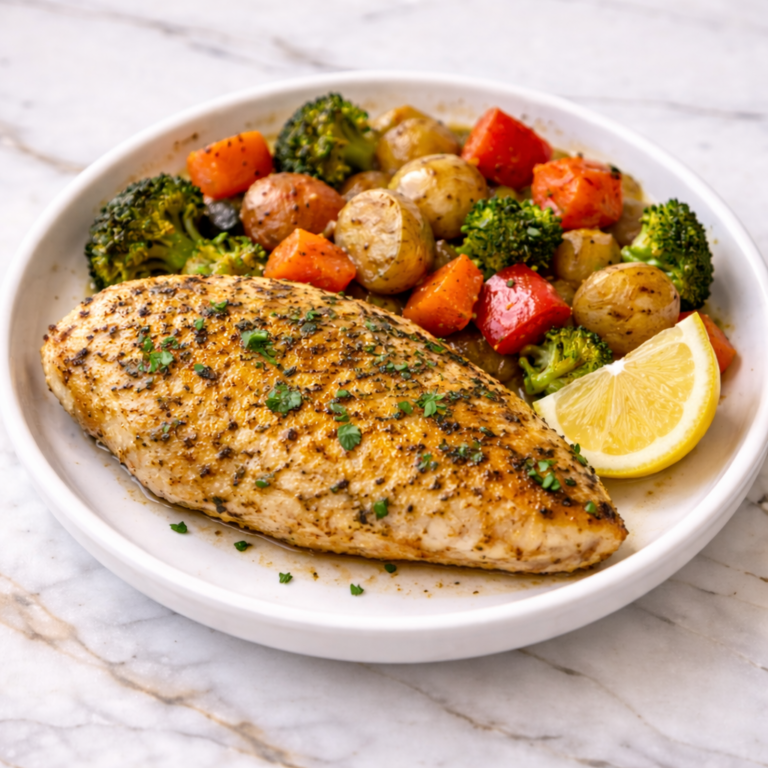
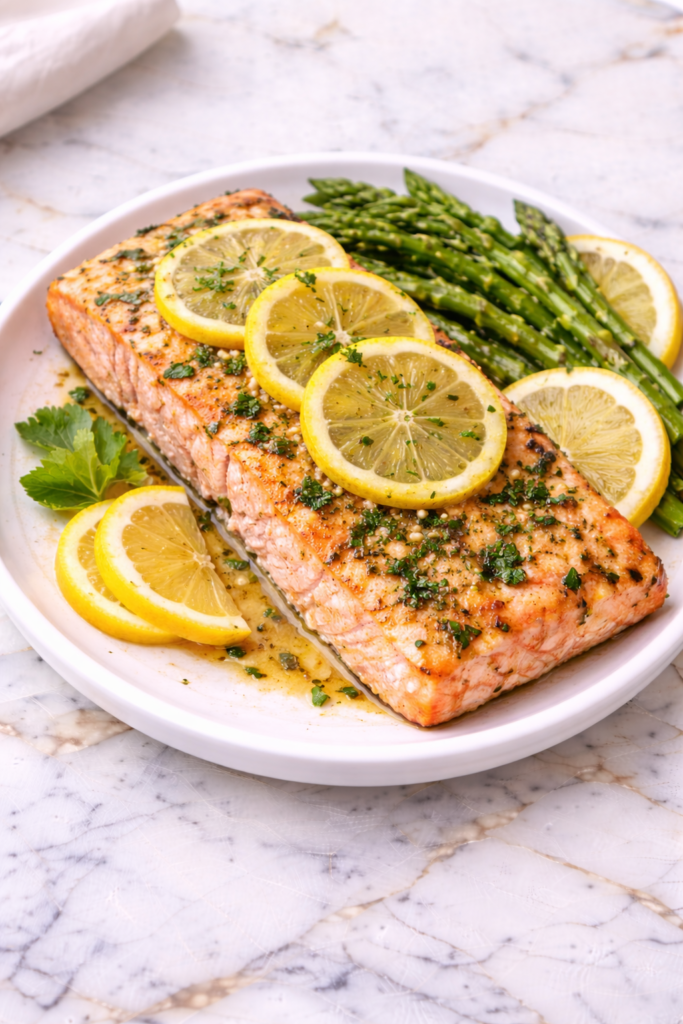
This salmon pairs beautifully with simple sides that complement its light and fresh flavor. Serving it with steamed vegetables such as broccoli, green beans, or asparagus creates a balanced and wholesome meal.
You can also serve it over rice, quinoa, or couscous to make it more filling. These grains absorb the lemon herb flavors and add a satisfying base to the dish.
For a lighter option, pair the salmon with a crisp green salad dressed in a light vinaigrette. The freshness of the salad balances the richness of the fish.
If you’re preparing this for guests, consider adding roasted potatoes or a simple pasta side. These additions round out the meal and make it feel more complete.
Leftovers and Storage
Leftover Lemon Herb Baked Salmon Fillet can be stored in an airtight container in the refrigerator for up to three days. Allow the salmon to cool completely before storing to maintain its texture. Keeping it properly sealed helps preserve its flavor.
To reheat, place the salmon in a low oven at 300°F until warmed through. This gentle reheating helps prevent the fish from drying out. You can also use a microwave in short intervals, though the oven method is preferred.
If you plan to freeze the salmon, store it in a freezer-safe container for up to two months. Thaw overnight in the refrigerator before reheating. While freezing is possible, fresh preparation yields the best texture.
Nutrition and Benefits
- Salmon is rich in omega-3 fatty acids, which support heart health and brain function. It’s a nutritious and satisfying protein option.
- This recipe uses minimal oil and simple ingredients, making it a lighter and wholesome choice. It fits well into a balanced diet.
- Lemon provides vitamin C and adds brightness without extra calories. It enhances both flavor and nutritional value.
- Fresh herbs contribute antioxidants and natural flavor, reducing the need for heavy seasonings. They also improve the overall freshness of the dish.
- Pairing the salmon with vegetables or whole grains creates a well-rounded meal with essential nutrients.
Recipe FAQ
How do I know when the salmon is fully cooked?
The salmon is done when it flakes easily with a fork and appears opaque throughout. An internal temperature of 145°F is recommended. Avoid overcooking to keep it moist.
Can I use frozen salmon?
Yes, but it should be fully thawed before baking. Pat it dry thoroughly to remove excess moisture. This helps the seasoning adhere and improves texture.
Can I use fresh herbs instead of dried?
Yes, fresh herbs can be used for a more vibrant flavor. Use about three times the amount of fresh herbs compared to dried. This enhances the overall taste.
What if I don’t have lemon?
You can substitute lime for a slightly different but still fresh flavor. It provides similar acidity and brightness. Adjust to taste as needed.
Can I cook this in foil?
Yes, wrapping the salmon in foil helps retain moisture and creates a slightly different texture. It’s a great option if you prefer a softer finish. Open the foil at the end for a light broil if desired.
Can I add vegetables to the pan?
Yes, vegetables like asparagus, zucchini, or cherry tomatoes can be added. Just make sure they are cut appropriately so they cook at the same rate. This creates a convenient one-pan meal.
Is this recipe suitable for meal prep?
Yes, this recipe works well for meal prep and can be stored for a few days. Reheat gently to maintain texture. It’s a practical option for quick, healthy meals.
Conclusion
Lemon Herb Baked Salmon Fillet is a simple and reliable recipe that brings fresh, comforting flavors to your table.
It’s easy to prepare, uses wholesome ingredients, and delivers consistent, tender results every time.
With its light yet satisfying appeal, it’s a dish you can return to again and again.
It offers a dependable way to create a warm, nourishing meal that fits effortlessly into everyday life.