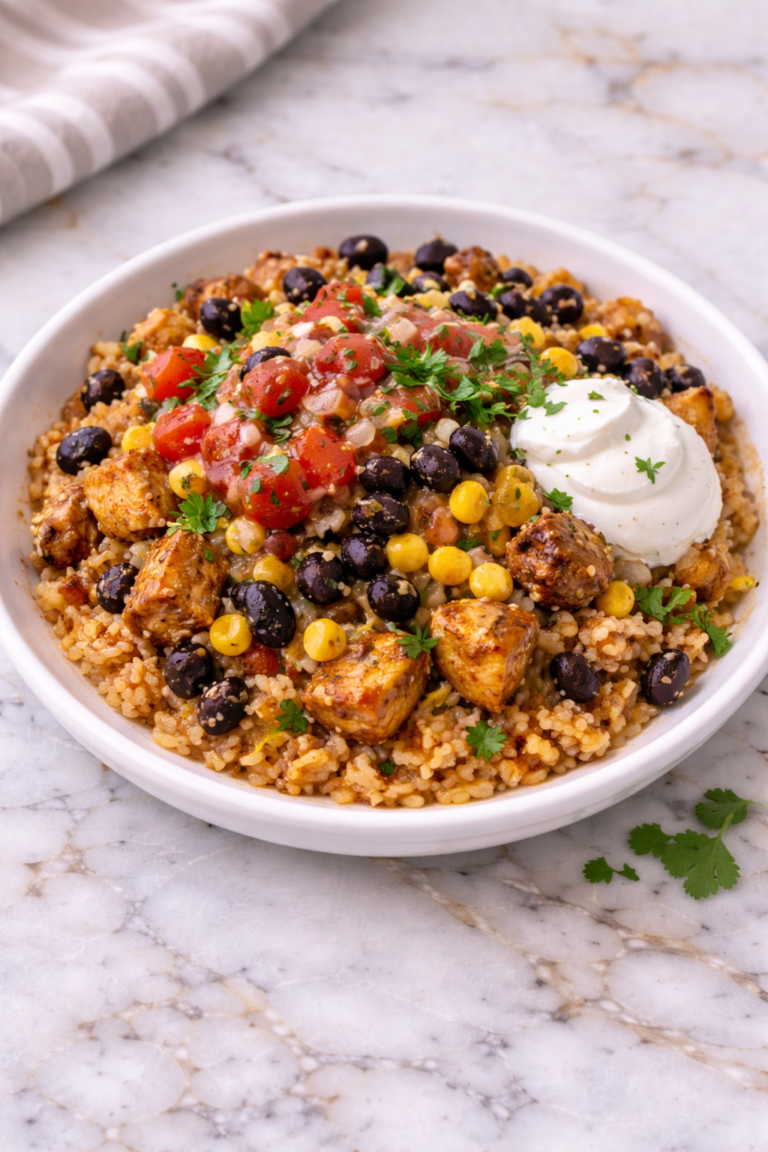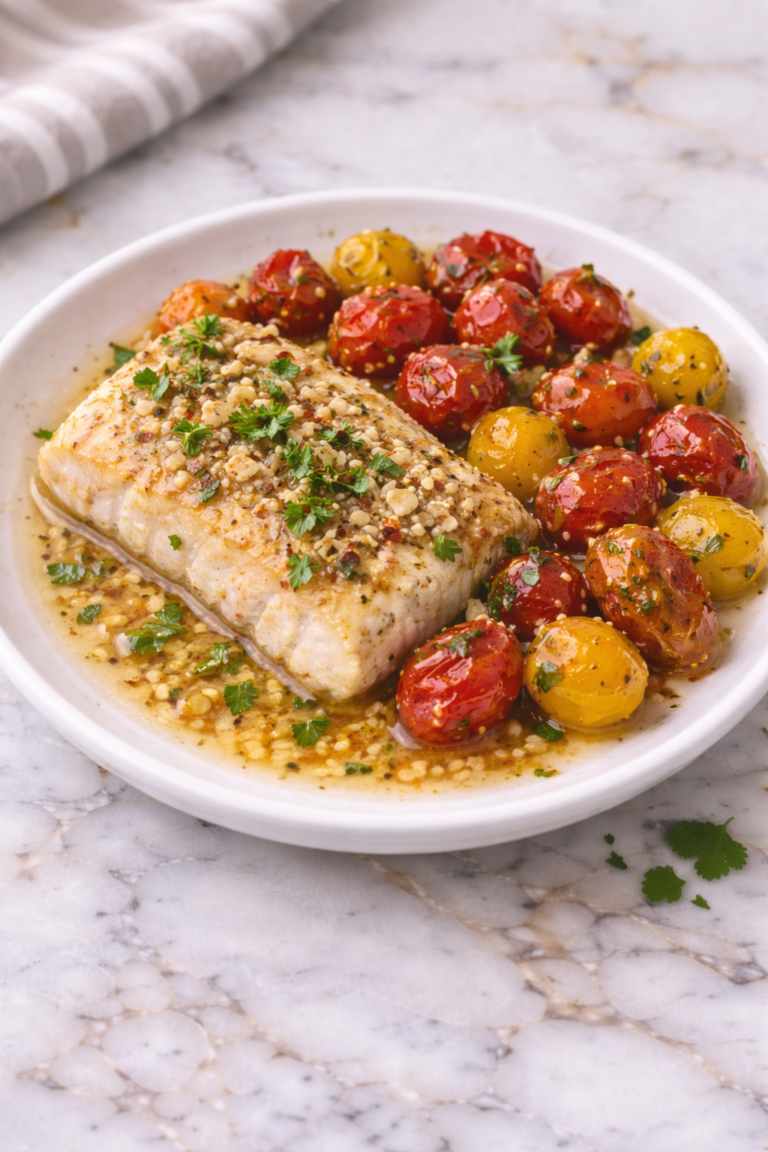
I make this Low-Calorie Chicken and Vegetable Stir Fry when I need something quick that still feels like a full, balanced meal. It’s one of those dishes that comes together easily without a lot of planning, which makes it helpful on busy days. I like how it uses simple ingredients but still delivers a warm, satisfying result.
I started keeping this recipe in my routine because it’s flexible and easy to adjust. The mix of tender chicken and fresh vegetables makes it feel complete without being too heavy. It’s a dependable option when I want something homemade that doesn’t take much effort.
Why You’ll Love This Recipe
This Low-Calorie Chicken and Vegetable Stir Fry is a great mix of flavor, texture, and simplicity. The vegetables stay slightly crisp while the chicken remains tender, creating a balanced dish that feels satisfying without being overly rich. It’s a lighter take on a classic stir fry that still feels comforting.
Another reason this recipe works so well is how quickly it comes together. Everything cooks in one pan, which keeps both prep and cleanup manageable. You can have it ready in about 30 minutes, making it a great choice for weeknight meals.
It’s also very flexible, allowing you to adjust the ingredients based on what you have on hand. You can swap vegetables, change the seasoning, or add extra protein without losing the core of the dish. This makes it especially useful for families with different preferences.
Serves: 4 people
This recipe makes about four servings, depending on portion size. It works well as a main dish on its own or can be served over rice or noodles for something more filling. You can easily double the recipe if you’re cooking for a larger group or planning meals ahead.
Ingredients You’ll Need
For the Stir Fry:
- 1 tablespoon olive oil
- 1 lb boneless, skinless chicken breast, sliced into thin strips
- 1 cup broccoli florets
- 1 cup bell peppers, sliced
- 1/2 cup carrots, thinly sliced
- 1/2 small onion, sliced
- 2 cloves garlic, minced
For the Sauce:
- 2 tablespoons low-sodium soy sauce
- 1 tablespoon oyster sauce (optional)
- 1 teaspoon sesame oil
- 1/4 teaspoon black pepper
- 1/2 teaspoon cornstarch (optional, for thickening)
- 2 tablespoons water
Pro Tips
- Slice the chicken into thin, even pieces so it cooks quickly and stays tender. This helps prevent overcooking and keeps the texture consistent.
- Prepare all the vegetables before you start cooking. Stir fry recipes move quickly, so having everything ready makes the process smoother.
- Cook the chicken first and remove it from the pan before adding the vegetables. This helps maintain its texture and prevents it from becoming dry.
- Use medium-high heat to cook the vegetables so they stay slightly crisp. This helps preserve both texture and flavor.
- Avoid overcrowding the pan, as this can cause the ingredients to steam instead of sauté. Cook in batches if needed.
- Add the sauce at the end and stir gently to coat everything evenly. This helps control the flavor and prevents overcooking.
Tools You’ll Need
- Large skillet or wok
- Cutting board
- Sharp knife
- Wooden spoon or spatula
- Measuring spoons
- Small mixing bowl
Substitutions and Variations
Swap the Protein
Use shrimp, turkey, or tofu instead of chicken. Each option keeps the dish light while offering a slightly different flavor and texture.
Make It Vegetarian
Replace the chicken with tofu or extra vegetables and use a vegetarian oyster sauce. This keeps the dish plant-based while still flavorful.
Add More Vegetables
Include snap peas, zucchini, or mushrooms for extra variety. These additions blend well with the existing ingredients.
Boost the Flavor
Add fresh ginger, chili flakes, or a splash of rice vinegar. These small changes can enhance the overall taste without altering the base.
Make It Heartier
Serve the stir fry over brown rice, quinoa, or whole grain noodles. This helps create a more filling meal while keeping it balanced.
Make Ahead Tips
This Low-Calorie Chicken and Vegetable Stir Fry is a great option when you want to prepare ahead without making things complicated later. You can slice the chicken and store it in an airtight container in the refrigerator up to one day in advance. Preparing the vegetables ahead of time also makes the cooking process much faster and easier.
The sauce can be mixed and stored separately in a small container so it’s ready to use when you begin cooking. This helps everything come together smoothly and prevents overcooking while you measure ingredients. Having everything prepared in advance makes this recipe especially helpful on busy days.
If you’d like to cook the entire dish ahead, it can be stored and reheated with good results. Let it cool completely before placing it in an airtight container. Reheat gently in a skillet over medium heat to help maintain the best texture.
Instructions
Step 1: Prepare the Ingredients
Slice the chicken into thin, even strips so it cooks quickly and evenly. Wash and cut all vegetables into similar-sized pieces to ensure even cooking. In a small bowl, mix together the soy sauce, oyster sauce if using, sesame oil, black pepper, cornstarch, and water until smooth.
Step 2: Cook the Chicken
Heat the olive oil in a large skillet or wok over medium-high heat. Add the chicken in a single layer and cook for 4 to 5 minutes, turning occasionally, until it is lightly browned and cooked through. Remove the chicken from the pan and set it aside.
Step 3: Cook the Vegetables
In the same pan, add the broccoli, bell peppers, carrots, and onion. Cook for about 4 to 6 minutes, stirring occasionally, until the vegetables are tender but still slightly crisp. Add the garlic during the last minute of cooking to prevent it from burning.
Step 4: Combine and Add Sauce
Return the cooked chicken to the pan with the vegetables. Pour the prepared sauce over everything and stir gently to coat evenly. Let it cook for another 2 to 3 minutes until the sauce thickens slightly and brings everything together.
Step 5: Final Adjustments
Taste the stir fry and adjust the seasoning if needed. If the sauce is too thick, add a small splash of water; if too thin, let it cook a bit longer. Remove from heat once everything is well coated and heated through.
Serving Suggestions
This stir fry is easy to serve in a way that fits your daily routine. You can enjoy it on its own for a lighter meal that still feels balanced and satisfying. The mix of chicken and vegetables provides enough variety to keep each bite interesting.
If you want something more filling, serve it over rice, quinoa, or noodles. These options help stretch the meal and make it suitable for larger appetites or family dinners. The sauce pairs well with grains, making the dish feel more complete.
It also works well for meal prep since it stores and reheats easily. Portion it into containers for quick lunches or dinners during the week. Adding a simple side like a small salad can round out the meal without extra effort.
Leftovers and Storage
Store any leftover stir fry in an airtight container in the refrigerator for up to three days. Allow it to cool completely before sealing to reduce excess moisture. This helps preserve the texture of both the chicken and vegetables.
For reheating, use a skillet over medium heat for the best results. Stir occasionally until everything is warmed through, adding a small splash of water if needed to loosen the sauce. This helps maintain the overall consistency of the dish.
You can also reheat it in the microwave in short intervals, stirring between each round. Freezing is possible, but the vegetables may soften once thawed. For best quality, it’s recommended to enjoy it fresh or within a few days.
Nutrition and Benefits
- This dish is lower in calories while still providing a good source of protein from the chicken. It helps create a balanced meal that feels satisfying without being too heavy.
- The variety of vegetables adds fiber, vitamins, and natural color to the dish. This helps support overall health while making the meal more enjoyable.
- Using a light sauce with simple ingredients keeps the flavors balanced without adding unnecessary heaviness. This makes it suitable for everyday meals.
- Minimal oil is used in the cooking process, which helps control calorie intake while still allowing proper sautéing. This balance makes the dish practical and approachable.
- Combining lean protein with vegetables creates a well-rounded meal in one pan. It’s an easy way to include multiple food groups without extra steps.
Recipe FAQ
Can I use frozen vegetables?
Yes, frozen vegetables can be used if fresh ones are not available. Be sure to cook off any excess moisture so the stir fry does not become watery. A hot pan helps maintain a better texture.
How do I keep the chicken tender?
Cook the chicken over medium-high heat and avoid overcooking. Removing it from the pan once it’s done and adding it back later helps keep it juicy. Thin slices also cook more evenly.
Can I make this ahead of time?
Yes, this dish can be made ahead and stored in the refrigerator. Reheat it gently in a skillet for best results. A small splash of water can help refresh the sauce.
Is this recipe gluten-free?
It can be made gluten-free by using gluten-free soy sauce or tamari. Be sure to check all ingredient labels. This is a simple adjustment.
Can I add more vegetables?
You can add vegetables like snap peas, zucchini, or mushrooms. These blend well with the existing ingredients. Cut them into similar sizes for even cooking.
What can I serve this with?
It pairs well with rice, noodles, or quinoa. You can also serve it with a light side dish like a salad. This makes it easy to customize for different meals.
Can I skip the oyster sauce?
Yes, the oyster sauce is optional and can be left out. The dish will still have good flavor from the soy sauce and sesame oil. Adjust seasoning slightly if needed.
A Simple and Balanced Meal for Busy Days
This Low-Calorie Chicken and Vegetable Stir Fry is a practical way to bring a warm, homemade meal to the table without extra effort. The ingredients are easy to work with, and the steps come together quickly for consistent results. It’s a dependable option when you need something simple and satisfying.
It works well for quick dinners, meal prep, or even casual lunches throughout the week. The texture stays balanced, and the flavors hold up nicely after reheating. It’s a reliable recipe that fits naturally into everyday routines and is worth making again.