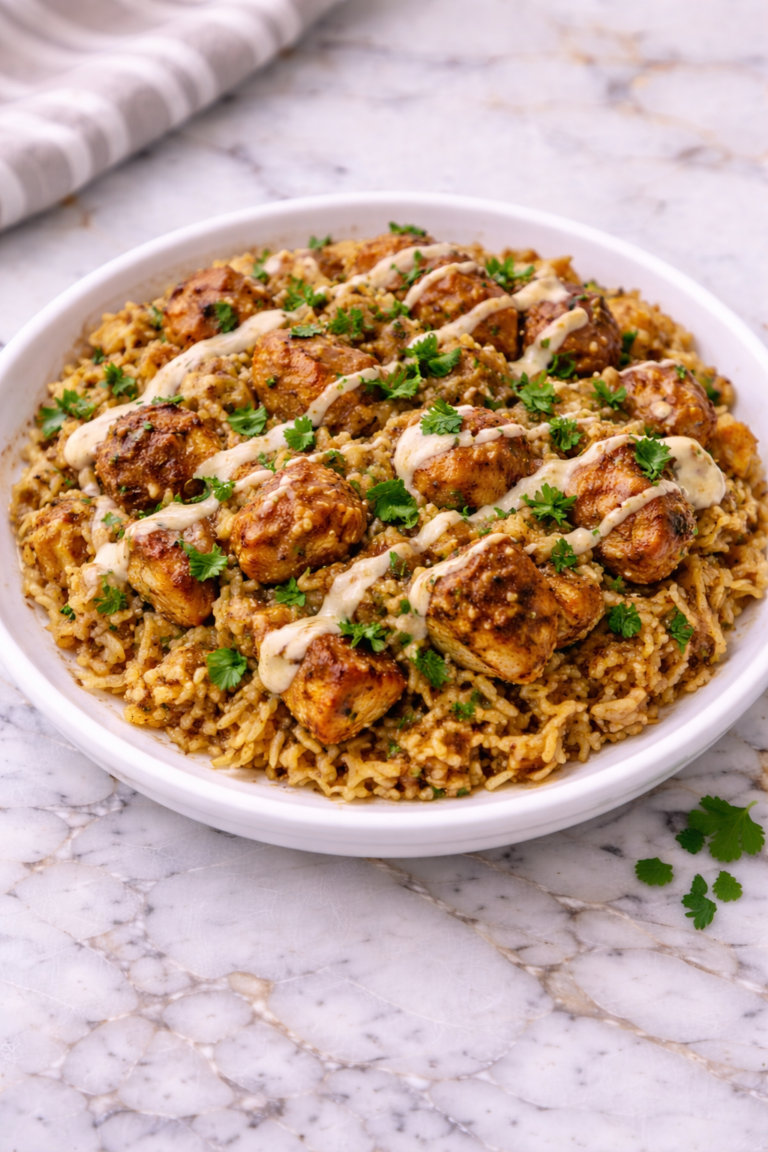
I make these Vegan Korean Tofu Bowls with Gochujang when I want something bold in flavor but still simple to prepare. It’s one of those meals that feels balanced without requiring too many steps.
The tofu soaks up the sauce well, and the bowl format makes it easy to build with whatever I have on hand. It’s a reliable option for both quick dinners and meal prep.
I started making this recipe when I was looking for a plant-based meal that didn’t feel repetitive. It quickly became a regular because it’s flexible and easy to adjust.
I can swap vegetables, change the base, or adjust the spice level depending on the day. It’s a steady, practical meal that fits into a busy routine.
Why You’ll Love This Recipe
This recipe brings together simple ingredients with bold, balanced flavor. The gochujang adds a mix of savory, slightly sweet, and spicy notes that pair well with tofu and vegetables. It’s a combination that feels satisfying without being too heavy.
Another reason this recipe works so well is how easy it is to prepare. The tofu cooks quickly, and the rest of the bowl comes together with minimal effort. It’s a great option when you want something homemade without spending too much time in the kitchen.
It’s also very flexible and easy to customize. You can adjust the spice level, switch up the vegetables, or use different grains. It’s a dependable recipe that works for a variety of preferences.
Serves: 4 people
This recipe serves about four people as a main dish, especially when paired with rice or another grain. It’s also easy to portion for meal prep or adjust for different serving sizes. You can double it if needed.
Ingredients You’ll Need
Main Ingredients
- 14 oz firm tofu, pressed and cubed
- 2 cups cooked rice (white or brown)
Vegetables
- 1 cup shredded carrots
- 1 cup cucumber, sliced or diced
- 1 cup broccoli florets
Sauce and Flavor
- 2 tablespoons gochujang
- 1 tablespoon soy sauce (or tamari)
- 1 tablespoon maple syrup
- 1 teaspoon sesame oil
- 2 cloves garlic, minced
Oil and Seasoning
- 1 tablespoon olive oil
- 1/4 teaspoon black pepper
Optional Add-Ins
- Sesame seeds
- Sliced green onions
- Kimchi (vegan)
Pro Tips
- Press the tofu well before cooking to remove excess moisture. This helps it develop a better texture and absorb the sauce.
- Cut the tofu into evenly sized cubes for consistent cooking. This ensures each piece cooks at the same rate.
- Cook the tofu in a single layer so it can brown properly. Overcrowding can prevent it from crisping.
- Mix the sauce separately before adding it to the tofu. This helps distribute the flavor evenly.
- Taste the sauce and adjust sweetness or spice level before adding it. This makes it easier to customize the dish.
- Add fresh toppings at the end for contrast in texture and flavor.
Tools You’ll Need
- Large skillet or pan
- Mixing bowl
- Cutting board
- Sharp knife
- Measuring spoons
- Spatula
Substitutions and Variations
Use Different Vegetables
You can swap broccoli with bell peppers, zucchini, or snap peas. This helps adjust the recipe based on what you have available.
Make It Gluten-Free
Use tamari instead of soy sauce to keep the recipe gluten-free. This maintains the flavor while meeting dietary needs.
Adjust the Spice Level
Use less gochujang for a milder version or add more for extra heat. This makes it easy to match your preference.
Add More Protein
Include edamame or chickpeas for additional plant-based protein. This makes the dish more filling.
Make It Heartier or Lighter
Serve with more rice or noodles for a filling meal, or reduce the base for a lighter option.
Make Ahead Tips
These Vegan Korean Tofu Bowls with Gochujang are well suited for meal prep, especially if you want balanced meals ready during the week. You can cook the tofu in advance and store it in an airtight container in the refrigerator for up to four days. The sauce continues to absorb into the tofu, making the flavor even more developed over time.
The rice can also be prepared ahead and stored separately in the refrigerator. When ready to serve, simply reheat and assemble the bowls. Keeping the rice separate helps maintain its texture and prevents it from becoming too soft.
Vegetables like carrots, cucumber, and broccoli can be prepped ahead and stored in individual containers. This makes assembly quick and easy while keeping everything fresh. For best results, assemble the bowls just before serving.
Instructions
Step 1: Prepare the Tofu
Press the tofu to remove excess moisture, then cut it into evenly sized cubes. This helps it cook more evenly and absorb the sauce better. Set aside once prepared.
Step 2: Make the Sauce
In a small bowl, combine the gochujang, soy sauce, maple syrup, sesame oil, and minced garlic. Stir until smooth and well blended. Taste and adjust if needed based on your preference.
Step 3: Cook the Tofu
Heat 1 tablespoon of olive oil in a large skillet over medium heat. Add the tofu in a single layer and cook for about 8 to 10 minutes, turning occasionally, until lightly browned on all sides. This step helps improve texture.
Step 4: Add the Sauce
Pour the prepared sauce over the tofu and stir gently to coat. Cook for another 2 to 3 minutes, allowing the sauce to thicken slightly and stick to the tofu. This creates a more flavorful result.
Step 5: Prepare the Vegetables
While the tofu cooks, prepare the vegetables by slicing or chopping them into bite-sized pieces. You can lightly steam the broccoli or leave it raw depending on your preference. Keep the vegetables fresh and crisp.
Step 6: Prepare the Base
Reheat the cooked rice if needed and divide it into serving bowls. This forms the base for the dish. Make sure it’s warm for the best overall texture.
Step 7: Assemble the Bowls
Add the cooked tofu and prepared vegetables over the rice. Arrange them evenly for a balanced bowl. Top with optional ingredients like sesame seeds or green onions.
Serving Suggestions
These bowls work well as a complete meal on their own, offering a good balance of protein, vegetables, and grains. The combination of textures and flavors makes them satisfying without needing much else. It’s a great option for both lunch and dinner.
For a more filling meal, you can add extra rice or include a side dish like dumplings or a simple soup. This helps create a more complete spread if you’re serving multiple people. It’s also useful for larger appetites.
You can also serve the components separately for a build-your-own bowl setup. This works well for families or gatherings where everyone can customize their portion. It’s an easy way to make the meal more flexible.
Another option is to turn the tofu and vegetables into a wrap or lettuce cup. This creates a lighter variation while using the same ingredients. It’s a simple way to change things up.
Leftovers and Storage
Store leftover tofu, rice, and vegetables in separate airtight containers in the refrigerator for up to four days. Keeping components separate helps maintain their texture and flavor. This also makes reheating easier.
When reheating, warm the tofu and rice in the microwave or on the stovetop until heated through. Add a small splash of water if needed to keep the rice from drying out. Stir occasionally for even heating.
Vegetables like cucumber are best kept fresh and added after reheating. This helps maintain their crisp texture. Other vegetables like broccoli can be reheated if preferred.
Freezing is not recommended for this full dish, as the texture of tofu and fresh vegetables may change. However, the cooked tofu alone can be frozen if needed. Thaw in the refrigerator before reheating.
Nutrition and Benefits
- Tofu is a strong source of plant-based protein and provides essential nutrients. It helps make the dish filling and balanced.
- Gochujang adds flavor with a mix of savory and slightly spicy notes. It enhances the dish without requiring many additional ingredients.
- The variety of vegetables contributes fiber, vitamins, and texture. This helps create a well-rounded meal.
- Rice provides a steady source of energy and pairs well with the bold flavors. It helps make the meal more satisfying.
- This recipe is fully vegan and can be adapted to fit different dietary needs. It’s a practical option for everyday meals.
Recipe FAQ
Can I use a different protein instead of tofu
Yes, you can use tempeh or chickpeas as an alternative. The flavor will be slightly different, but it will still work well. Adjust cooking time as needed.
How do I make the tofu crispier
Cook it in a single layer and avoid overcrowding the pan. You can also cook it a bit longer before adding the sauce. This helps improve texture.
Can I make this recipe less spicy
Yes, reduce the amount of gochujang or mix it with a little extra maple syrup. This helps balance the heat. Adjust to your preference.
What other vegetables can I use
You can use vegetables like bell peppers, spinach, or snap peas. Choose based on what you have available. This keeps the recipe flexible.
Can I use a different grain instead of rice
Yes, quinoa, noodles, or even cauliflower rice can be used. This allows you to adjust the recipe to your needs. The flavors will still work well.
Is this recipe good for meal prep
Yes, it stores well when the components are kept separate. Assemble just before eating for the best texture. This makes it very convenient.
Can I add more flavor to the dish
You can add extra garlic, ginger, or a splash of soy sauce. A drizzle of sesame oil at the end also enhances the flavor. Adjust based on your preference.
A Bold and Balanced Bowl You’ll Make Again
These Vegan Korean Tofu Bowls with Gochujang are a reliable option when you want something flavorful without a complicated process.
They come together with simple ingredients and create a balanced meal that works well for both quick dinners and meal prep.
They’re easy to customize and fit into everyday cooking without much effort.
The combination of texture and bold flavor makes this a recipe you’ll want to keep in regular rotation.