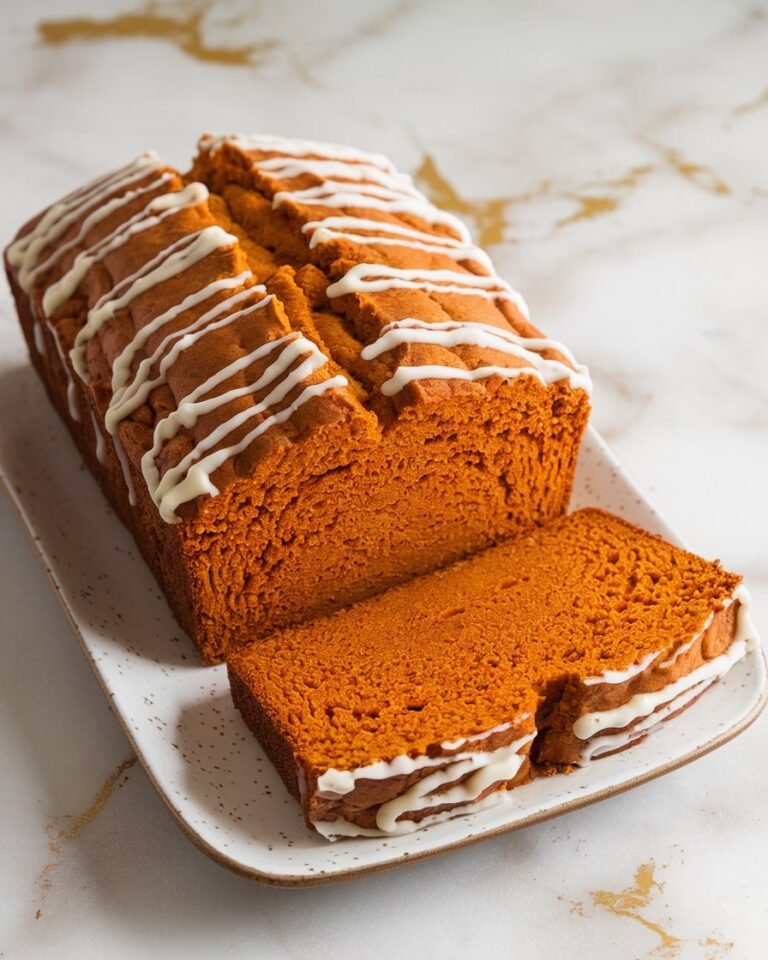
I make this vanilla buttermilk pound cake when I want something simple that always turns out soft and dependable. The texture is rich but still tender, and the buttermilk adds a gentle flavor that keeps it from feeling too heavy. I like how it works for so many occasions without needing any extra steps. It’s one of those recipes that feels familiar every time I make it.
I started baking this when I needed a reliable cake that could be served on its own or with simple toppings. Over time, it became a regular favorite because it’s consistent and easy to prepare. The smooth vanilla flavor and soft crumb make it easy to enjoy with coffee, tea, or as a light dessert. It’s a recipe I come back to when I want something classic and comforting.
Why You’ll Love This Recipe
This vanilla buttermilk pound cake is a great choice when you want a classic dessert that’s easy to make and always reliable. The buttermilk helps create a soft and tender crumb, while the vanilla adds a simple, balanced flavor. The result is a cake that feels rich without being too dense.
Another reason this recipe works so well is how approachable it is for most home bakers. The ingredients are easy to find, and the steps follow a straightforward process. You don’t need special tools, and the batter comes together smoothly with consistent results.
It’s also versatile enough for different occasions, whether you’re serving it plain, adding fruit, or using it as a base for other desserts. The cake slices cleanly and holds its shape well, making it easy to serve. Once you’ve made it, it becomes a dependable recipe to keep on hand.
Serves: 10 slices
This cake serves about 10 slices, depending on how thick you cut them. You can make thinner slices for lighter servings or thicker ones for a more filling dessert. It’s easy to adjust based on your needs.
Ingredients You’ll Need
For the pound cake:
- 1 cup unsalted butter, softened
- 1 ½ cups granulated sugar
- 4 large eggs
- 1 tablespoon vanilla extract
- 2 ½ cups all-purpose flour
- ½ teaspoon baking soda
- ½ teaspoon salt
- 1 cup buttermilk
Pro Tips
- Use room temperature butter and eggs for easier mixing. This helps create a smooth batter and even texture.
- Don’t overmix once the flour is added. Mixing just until combined keeps the cake soft and tender.
- Measure the flour carefully to avoid a dense cake. Spoon and level for accuracy.
- Alternate adding the flour and buttermilk when mixing. This helps maintain a smooth batter.
- Grease the pan thoroughly to prevent sticking. You can also line it with parchment for easier removal.
- Let the cake cool in the pan briefly before transferring. This helps it set without breaking.
Tools You’ll Need
- Loaf pan or bundt pan
- Mixing bowls (medium and large)
- Hand mixer or stand mixer
- Rubber spatula
- Measuring cups and spoons
- Cooling rack
Substitutions and Variations
Use Sour Cream Instead of Buttermilk
Swap buttermilk with sour cream for a slightly richer texture. This keeps the cake moist and soft.
Add Citrus Flavor
Mix in lemon or orange zest for a light variation. This adds a fresh flavor without changing the texture.
Make It Gluten-Free
Use a gluten-free all-purpose flour blend. This helps maintain a similar structure.
Add a Glaze
Top the cake with a simple powdered sugar glaze. This adds a light sweetness and finish.
Make It Less Sweet
Reduce the sugar slightly if you prefer a milder flavor. The cake will still hold its texture well.
Make Ahead Tips
This vanilla buttermilk pound cake is a great option for making ahead, especially when you need a dependable dessert ready to serve. You can bake the cake a day in advance and store it tightly wrapped at room temperature. This resting time often improves the texture, allowing the crumb to settle and become even more tender.
If you prefer to prepare in stages, you can measure and mix the dry ingredients ahead of time and store them in an airtight container. This helps streamline the process when you’re ready to bake. You can also bake and freeze the cake for longer storage, then thaw it when needed.
Instructions
Step 1: Preheat and Prepare the Pan
Preheat your oven to 350°F (175°C). Grease a loaf pan or bundt pan thoroughly with butter or nonstick spray, making sure to cover all corners and edges. You can also line the pan with parchment paper for easier removal.
Set the prepared pan aside while you make the batter. Taking the time to prepare the pan properly helps prevent sticking. This step ensures a clean release after baking.
Step 2: Cream the Butter and Sugar
In a large mixing bowl, combine the softened butter and granulated sugar. Use a hand mixer or stand mixer to beat them together until light and fluffy. This step helps create a soft and tender crumb.
Make sure the mixture is smooth and well combined. Scrape down the sides of the bowl as needed. Proper creaming helps incorporate air into the batter.
Step 3: Add Eggs and Vanilla
Add the eggs one at a time, mixing well after each addition. This helps the batter stay smooth and prevents it from separating. Stir in the vanilla extract until fully combined.
The mixture should look creamy and slightly thick. Take your time to blend everything evenly. This step builds the base flavor of the cake.
Step 4: Mix the Dry Ingredients
In a separate bowl, whisk together the flour, baking soda, and salt. This helps distribute the ingredients evenly and prevents clumping. Set the mixture aside.
Make sure everything is well combined before adding it to the batter. This helps create a consistent texture. Proper mixing at this stage is important.
Step 5: Combine with Buttermilk
Add the dry ingredients to the butter mixture in batches, alternating with the buttermilk. Begin and end with the dry ingredients, mixing gently after each addition. This helps keep the batter smooth.
Avoid overmixing, as this can make the cake dense. The batter should be thick but easy to spread. Mix just until everything is combined.
Step 6: Transfer to the Pan
Pour the batter into the prepared pan and spread it evenly with a spatula. Smooth the top to ensure even baking. Tap the pan lightly on the counter to remove air bubbles.
Make sure the batter is evenly distributed. This helps the cake bake consistently. A smooth surface also improves the final appearance.
Step 7: Bake the Cake
Place the pan in the preheated oven and bake for 50 to 60 minutes. The top should be golden, and a toothpick inserted into the center should come out clean. Baking time may vary slightly depending on the pan used.
Check the cake toward the end of the baking time to avoid overbaking. If the top browns too quickly, you can loosely cover it with foil. This helps prevent overbrowning.
Step 8: Cool and Slice
Remove the cake from the oven and let it cool in the pan for about 10 to 15 minutes. This allows it to set and makes it easier to remove. Then transfer it to a cooling rack to cool completely.
Once cooled, slice the cake using a sharp knife. Clean the knife between cuts for neat slices. The cake should have a soft, even crumb.
Serving Suggestions
This vanilla buttermilk pound cake is best served once it has cooled completely, allowing the texture to fully set. The soft crumb and mild flavor make it easy to enjoy on its own without additional toppings.
Serve it with a warm drink like coffee or tea for a simple and balanced pairing. The neutral flavor of the cake complements both light and bold beverages.
For a slightly more complete dessert, you can serve it with fresh fruit or a light dusting of powdered sugar. This adds a small amount of sweetness without overpowering the cake.
It also works well as a base for other desserts, such as layered with whipped cream or fruit. This makes it a flexible option for different occasions.
If serving for a gathering, slice it ahead of time and arrange on a plate. This makes it easy for guests to enjoy.
Leftovers and Storage
Store leftover pound cake in an airtight container at room temperature for up to 3 days. Keeping it sealed helps maintain its softness and prevents it from drying out. Wrap slices individually if needed.
For longer storage, refrigerate the cake for up to 5 days. Let it come to room temperature before serving for the best texture. This helps restore its softness.
This cake also freezes well. Wrap it tightly in plastic wrap and place it in a freezer-safe container. It can be frozen for up to one month.
To thaw, let the cake sit at room temperature for a few hours. Avoid microwaving, as it can affect the texture. Once thawed, it will still be soft and enjoyable.
If the cake becomes slightly firm after storage, letting it sit at room temperature will help soften it again. This keeps it close to its original texture.
Nutrition and Benefits
- This pound cake provides a simple and satisfying dessert with a balanced flavor. Its rich texture makes it enjoyable in moderate portions.
- Buttermilk adds moisture and a slight tang, which helps create a tender crumb. It also contributes a small amount of nutrients like calcium.
- Making the cake at home allows you to control the ingredients and adjust sweetness if needed. This can be helpful for family preferences.
- The straightforward ingredient list makes this recipe easy to repeat without specialty items. It’s practical for everyday baking.
- The versatility of the cake allows it to be served in different ways, making it suitable for both simple and more dressed-up desserts.
Recipe FAQ
Can I use regular milk instead of buttermilk?
Yes, you can use milk with a small amount of lemon juice or vinegar added. Let it sit for a few minutes before using. This creates a similar effect to buttermilk.
How do I know when the cake is done?
Insert a toothpick into the center of the cake. If it comes out clean or with a few crumbs, it is ready. Avoid overbaking to keep the cake soft.
Why is my pound cake dense?
This can happen if the batter is overmixed or if too much flour is used. Measure carefully and mix gently. Proper creaming also helps create a lighter texture.
Can I use a different pan?
Yes, you can use a bundt pan or even divide the batter into smaller pans. Adjust the baking time as needed. Keep an eye on the cake while baking.
Can I add flavors to this cake?
Yes, you can add citrus zest, almond extract, or spices. These additions can change the flavor without affecting the structure. Keep the amounts balanced.
How do I prevent the cake from sticking?
Grease the pan thoroughly and consider using parchment paper. Let the cake cool slightly before removing it. This helps it release more easily.
Can I make this cake ahead of time?
Yes, this cake works well when made a day in advance. The texture often improves after resting. Store it properly to maintain freshness.
A Classic Cake You’ll Keep Baking Again
This vanilla buttermilk pound cake comes together in a simple and reliable way that makes it easy to return to again and again. The soft texture and balanced flavor create a comforting dessert that works for both everyday moments and special occasions.
It’s a dependable recipe for making ahead, serving fresh, or pairing with simple additions without extra effort. Once you’ve made it, it naturally becomes a go-to option when you want something classic, easy, and consistently satisfying.